
Kanha National Park is one of the most well-known and biggest national parks that is present in India. This park is in Madhya Pradesh in central India and is spread across the two districts of Balaghat and Mandla, covering a large total area of 3500 square kilometers in size. Kanha is well-known for its important work in protecting tigers, along with the beautiful landscapes and wildlife.
The park was set up in 1955, and in 1973, it became part of India's Project Tiger program. This program works to save tigers in India, and Kanha is one of the top places where it is doing very well. And, in 1973, it became a Tiger Reserve.
It is also home to many other plants and animals apart from tigers. This park is a good place for people who enjoy seeing animals and plants, and it has about 1000 kinds of flowering plants growing inside it. Kanha is also home to animals like sambhars (a type of deer), gaurs (Indian bison), leopards, wild dogs, and many kinds of birds. The park has different types of land, including dense forests, open meadows, and rivers. These areas provide a good place for many species of wildlife and plants.
Read more +Kanha National Park has a long history that goes back many years. This area was ruled by the Gond Dynasty before the 19th century, and the forest was not known, while the Baiga and Gond tribes lived in the region. These tribes understood nature and wild animals very well, and they did farming in a way that did not harm the area.
During the 19th century, people understood the value of forests and created rules to protect both the animals and the trees found in these areas. Cutting down important trees like Sal, Teak, Saja, Shisham, and Bija was no longer allowed. These steps helped save the forest for future generations.
In 1955, this place became a national park, which was an important step to help protect the area’s plant life and animals. The park became part of India’s plan to protect wildlife and their natural homes. In 1973, Kanha became a Tiger Reserve. This was an important move to protect the Bengal Tiger, which is one of the most endangered animals in the world.
This park became famous in the world because British writer Rudyard Kipling used Kanha’s nature and animals as ideas for The Jungle Book. This connection helped bring more attention to the park, making it popular with people who love nature and wildlife.
Today, Kanha Park plays a very important role in protecting wildlife. It is home to many animals, including the Royal Bengal Tiger, sloth bears, leopards, and the rare barasingha deer. This park is important for saving wildlife and also works to protect many kinds of plants and wild animals. People from all over the world make Kanha National Park bookings to enjoy natural beauty, see the animals, and learn about how important it is to protect nature.
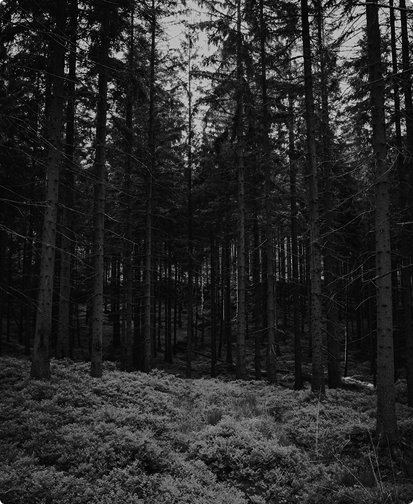
This national park can be considered one of India’s most amazing natural destinations. Many people come here to see animals and enjoy a jungle safari. But there are also many amazing tourist attractions near Kanha Park. These places are good for people who like nature, history, culture, or peaceful temples. Below is a list of popular tourist places around Kanha National Park:

This place is inside Kanha. It is very famous for watching the sunset. Many people visit here to see the sun going down and take pictures. The place is very quiet and peaceful. People can also walk in nature and watch birds.
Details
The Kanha Museum is also inside the park. This museum gives a lot of information about the animals, birds, and plants in the park. You can also learn how the park has been protected for many years.
Details
This palace was made by Maharaja Dharamraj Singh, who was the king in the 1930s. Now, the palace is a luxury hotel. People staying here can enjoy dance and music shows. It is a nice place to enjoy royal service and
Details
Mandla is a small town close to Kanha. It is a nice spot to understand the history and culture of the local people living there. You can visit Mandla Fort, which offers good views of the town and the Sahastradhara River.
Details
Pench National Park is another popular wildlife park that has a distance from Kanha of around 200 kilometers. If you enjoy watching animals, you will also like Pench. This park has leopards, tigers, reptiles, deer,
Details
Pench National Park is another popular wildlife park that has a distance from Kanha of around 200 kilometers. If you enjoy watching animals, you will also like Pench. This park has leopards, tigers, reptiles, deer,
Details
Amarkantak is a holy place for Hindus. The Narmada River starts here. Many people come to visit temples and see the DudhDhara waterfalls. The water looks white like milk. It is a peaceful
Details
Khajuraho is about 230 kilometers from Kanha. It is famous for its old temples made by Hindus and Jains. These temples have very detailed carvings. Khajuraho is also a UNESCO World Heritage Site
DetailsKanha National Park is famous for its wide range of plants and trees. There are over 200 types of flowering plants and around 70 types of trees in the park. The variety of plants makes Kanha one of the best places for people who love nature.
Three main types of forests are present in this park that are moist Peninsular Sal forest, moist mixed deciduous forest, and dry deciduous mixed forest. These forests grow well in the park because of the good climate and the different types of land, such as valleys, plateaus, and slopes. This variety of land helps many different types of plants grow in different parts of the park.
read moreKanha National Park is one of the best places in India to see wild animals in their natural homes. The park has many different kinds of trees, plants, and water sources, so a lot of animals, birds, reptiles, and fish live here. People from all over the world come to Kanha to enjoy the wildlife and nature.
Kanha Park has the hard ground Barasingha, which is one of its most special animals. This is a rare kind of deer, and it can only be found in this park. People call it the “Jewel of Kanha” because it is very important to the park. Kanha is also famous for its tigers, which visitors often see on jungle safaris.
read moreThe best time to visit Kanha National Park depends on what kind of experience you want.
Winter (October to February) is the most popular time to visit. The weather is cool and pleasant, with temperatures between 5°C and 20°C. This time is great for safaris because the weather is comfortable. It’s also a good time for watching wildlife, including many migratory birds that visit the park.
Summer (March to May) is very hot, with temperatures going up to 40°C. But if you don’t mind the heat, it’s a good time to see animals near waterholes. Early morning and evening safaris are the best as it’s cooler at these times. Don’t forget to carry water and sunscreen.
The rainy season that usually starts in June till September brings heavy rains. While the park looks very green and beautiful, some areas may be closed due to the rain. It’s a good time if you love nature and want to see the park in a peaceful setting.
Overall, October to March is the best time to visit here. The weather is pleasant, and you can enjoy wildlife and bird watching.
There are different types of safaris available for people who make Kanha National Park bookings. The safaris are held in both the areas of core zones and the buffer zones, which are the outer areas.
A Gypsy Safari is a more private way to visit the park. You travel in a small vehicle called a gypsy. The gypsy can take you deeper into the park, which helps you see the animals up close. This safari is available in both the main areas (Kanha, Sarhi, Mukki, Kisli) and the outer areas (Khatia, Sijhora, Phen, Khapa). Because the vehicle is small, it is quieter and gives you a better chance to spot animals.
( Canter Safari )If you are visiting with family or a group of friends, you can go on a Canter Safari. A canter is a bigger vehicle that can carry more people. It is also available in both the main and outer areas of the park. It is a good option for larger groups who want to enjoy the park together.
Important Information
It is a good idea to make your Kanha National Park bookings for safari in advance. This will help you get the safari you want and the time that works best for you.
 Do’s inside
Kanha
Do’s inside
Kanha
You must follow all the park rules. If you break any rule, the forest officers can take legal action against you.
You need a valid entry permit to go inside Kanha National Park. Please get this permit before your visit.
The speed limit inside the park is 20 kilometers per hour, so do not ask your driver to go faster than this limit.
You must take an official guide with you on the safari. The guide will keep you safe and also explain things about the park.
Always follow your guide. It will keep you safe and make your safari more enjoyable.
Animals walk freely in the park. If you see an animal on the road, please wait quietly until it crosses.
Carry enough drinking water with you because it is very important to drink plenty of water during the safari to avoid dehydration.
Stay quiet inside the park and avoid shouting or making loud noises. It helps you see more animals and keeps them calm.
If you see anything strange or unsafe, tell the forest officer or your guide.
Wear light-colored clothes as these colors can make your safari more comfortable and are good for this park.
 Don't
inside Kanha
Don't
inside Kanha
Do not bring guns, firearms, or explosives. These are dangerous and not allowed inside the park.
Do not carry cigarettes, matchsticks, lighters, or anything that can start a fire. Fire is very harmful to the park and the animals.
Do not smoke or light any fire, as even a small fire can harm the forest area.
Do not play music or use radios, speakers, or loud devices. Loud sounds disturb the animals.
Do not use strong perfumes or sprays. Animals do not like strong smells, and it can attract insects like bees.
Do not throw garbage inside the park. Carry a bag to collect your trash and throw it in a dustbin outside the park.
Exiting the safari vehicle is not allowed unless your guide says it is safe to do so.
Do not take anything from the park. This includes plants, flowers, stones, or anything else.
Do not touch or feed the animals. Even if they look friendly, it is not safe.
Do not try to hunt animals. Hunting is illegal and strictly not allowed in the park.
Kanha National Park is a big and beautiful wildlife park in Madhya Pradesh, India. The park is divided into different parts. These parts are called Kanha zones. Zones help to manage safaris better and also help protect the animals and nature. Every zone has a different type of forest, land, and animals. Some areas are referred to as core zones, & some as buffer zones.
Core zones are the main areas of the park. These are the best places for safari. More wild animals live in these zones. Visitors have a better chance to see tigers and other big animals in the core zones.
This zone is in the core region of this national park and is the most popular zone. It has open grasslands called Kanha Meadows. In this zone, you can see tigers, leopards, Indian bison (gaur), many types of deer, and different birds. There is also a small forest museum and some old sites in this zone. Morning safaris are very popular here.
This zone lies in the park’s southwest and has rivers, green fields, and dense forest areas inside it. Many animals come here to drink water. You can see tigers, leopards, wild dogs, sloth bears, and gaurs in this zone. This is a great place to spot wild animals moving freely.
This zone has rocky land and dense forests and is situated on the eastern side of the park. Not many tourists go here, so it is quiet. Private safaris are allowed in this zone. You may see wild boars, deer, Indian bison (gaur), and birds here.
Located near the Khatia gate, this zone is in the middle of the park and full of natural beauty to see around. You can see spotted deer, tigers, Indian bison, barking deer, and leopards here. Many visitors like to come to this zone.
Jamtara is a small zone where you can see sloth bears, Banyan trees, and Shindoori trees, and it is best to visit during dry months to explore. This area includes important spots like Alikatta, Chendia Gate, and also Tikari.
Buffer zones are outside the core area. These areas also have animals, but not as many as the core zones. Safaris in buffer zones are less costly. Night safaris are allowed here. These buffer Kanha zones give tourists more affordable and flexible options to explore.
This zone is near the Khatia gate. You can go for a safari in the morning, evening, or night. Animals like chital (spotted deer), sambar deer, blue bull (nilgai), wild pigs, and monkeys live here.
This zone is near the Mukki gate. It has thick forests and is good for bird watching. You can also see sloth bears, jackals, deer, wild dogs, and gaurs.
Close to Sarhi gate, this quiet zone has wild pigs, deer, monkeys, reptiles, and many kinds of birds. Night safaris are allowed here too.
Phen Wildlife Sanctuary is near Kanha Park. It is not an official buffer zone, but it is open for safari. You can see tigers, sloth bears, nilgai, and gaurs here. In the morning, visitors must enter from Ghurri Barrier and in the evening, they should use the Mukki gate.
Kolitmara is the only zone in Maharashtra where you can go on safari. It is 80 km from Nagpur and has a beautiful forest with calm waters from the Pench Reservoir. You can enjoy both jungle safaris and boat rides here.

A-2 Second Floor, Ganesh Nagar, Pandav Nagar Complex, near Aggarwal Sweets, New Delhi, Delhi 110092
A-2 Second Floor, Ganesh Nagar, Pandav Nagar Complex, near Aggarwal Sweets, New Delhi, Delhi 110092
Phone : +91 9911177045
Email : contact@junglesafariindia.in


