
The park is divided into two parts. The core area is the first part of the park where most animals live, and it covers 292.85 square kilometers, including Priyadarshini Pench National Park and Mowgli Pench Sanctuary. The second part is called the buffer area, which is around 465 square kilometers. Animals can also live in this buffer area, but it is not as protected as the core area.
This national park is famous for its wild animals, trees, and quiet environment. Many people come here to enjoy nature and to watch animals living in the forest. The Pench River gives the park its name, and this river moves through the park from the north to the south. It divides the park into two parts: the eastern part and the western part.
This park has a link to the book “The Jungle Book” by Rudyard Kipling, who imagined characters like Mowgli, Bagheera, and Shere Khan living in this same forest area. Many people who read the book or watched the movie like to come and see the park themselves.
Read more +This national park is located in central India, and it has a long and fascinating history that began in 1965, marking the start of its journey as a protected area. In that year, the government made the area a wildlife sanctuary. The total area at that time was 757.85 square kilometers. This meant that animals and trees in this area were protected. People were not allowed to hunt or do anything that could harm the animals or the forest.
After some years, in 1983, a smaller part of this area became a National Park. This smaller part was 292.85 square kilometers. When an area becomes a National Park, it gets more protection. The government also makes better plans to take care of the animals and the forest.
In 1992, the Indian government added the full area of 757.85 square kilometers to Project Tiger, which is a special government plan aimed at protecting tigers and increasing their population in India. After that, the full area was turned into a Tiger Reserve, which means it became a protected place for tigers and other wild animals to live safely.
In 2002, the national park area, which is 292.85 square kilometers in size, was officially given a new name: Indira Priyadarshani Pench National Park. This was done to remember Indira Gandhi, who was the Prime Minister of India. The other part of the area got the name Pench Mowgli Sanctuary later. Also, around this protected area, there is a buffer zone of 465 square kilometers. A buffer zone is an area where both animals and people live. It helps protect the forest and also supports local people.
In 2008, a film called Tiger: Spy in the Jungle was made here by the BBC. They used hidden cameras to watch the tigers in the forest. The voice in the film was by David Attenborough, who is a nature expert.
Today, Pench National Park is a very important place for saving animals, especially tigers.
Pench National Park is a famous place for seeing forests and wild animals. But there are also other nice things to do and see near the park. Below are some great places to visit when you come to this national park.

When you visit Pench, you can also see nearby villages where weekly local markets, called haats, are held. The haats happen on different days in different villages. Some villages you can visit are Vijaypani, Badalpar, Khamba, and Belpath. These villages are peaceful and far from city noise, and you can walk or ride a bicycle to see the natural surroundings there. In the markets,
Details
If you enjoy walking in the forest, you can visit the Runi Jhuni Nature Trail near Karmajhiri Gate, which usually takes about one to two hours to complete on foot. While walking, you can see many animals and birds. You may see deer, monkeys (langurs), wild fowl, and forest birds. While walking on the trail, you will see many types of trees and plants on both sides of the path.
Details
Bird watchers can visit Khoka Lake, where many of the 285 bird species found in Pench National Park are often seen. Some birds you can see are the Indian Pitta, the Osprey, and the Grey-headed Fishing Eagle. This lake is very quiet, and you can sit nearby to hear the sounds of birds. If you have binoculars, it is easier to see the birds closely. Among all the Pench tourist attractions,
Details
Pachdhar Village is about 15 kilometers from the Turia Gate of the park. This village is famous for pottery, and almost all houses are painted white and blue. In this village, people make clay pots by hand without using machines, and tourists can watch the process. You can also try to make a pot yourself.
Details
There is the Pench Dam inside the park, which is also called Kamthikhairy Dam, and is built on the Pench River. You can take a boat ride here. There are pedal boats, rowboats, and motorboats. Many birds come near the water. You can watch them and also take nice photos. Wild animals sometimes come near the dam to drink water, and this place is calm,
DetailsPench National Park has many types of trees and plants. It is a very good place for people who like nature. The forest here has two kinds of trees – moist tropical deciduous trees and dry deciduous trees. Because of this mix, many plants grow well in this park.
When you go into the park, you will see many green plants, small bushes, and big trees. These plants make the park look very green and nice. Some of the main trees you will see are Tendu, Amaltas, Palash, Teak, Bija, and Mahua.
read morePench National Park is famous for its wild animals and birds, and many visitors come here to see animals living in their natural habitat. The forest is a good place for animals because it has the right weather, food, and water. The park has both moist and dry forests, which help many animals live here.
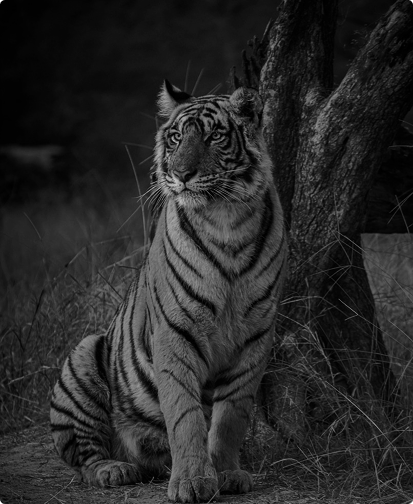
The Royal Bengal Tiger is the most famous animal in Pench, and many people visit the park hoping to see this powerful and large animal in the wild. Tigers live in the forest and are sometimes seen by visitors.
read moreThe best time to visit Pench National Park is in winter and summer, especially from November to February, when the weather stays cool and good for travel. The temperature stays between 10°C and 28°C. It is a good time for exploring the jungle and seeing animals. Many people make their Pench online safari booking in winter. If you like birds, the best time to come is from January to April. You can see many different birds then. At night, it can be cold, so remember to bring warm clothes.
Summer is from March to June. This time is very hot, and the temperature stays between 28°C and 45°C. But it is still a good time to see animals, because they come near water to drink. If you visit in summer, wear light clothes, use sunscreen, and carry water bottles.
Do not visit during the rainy season, from July to September. The park is closed at that time because of heavy rain.
Visitors to Pench National Park can enjoy the forest and wildlife in many ways, with the Gypsy Safari being the most popular choice. In this safari, you sit in an open gypsy that takes you through the forest. You can make your Pench online safari booking for Gypsy on our website.
While on the Gypsy Safari, you may get to see wild animals like tigers, jackals, sloth bears, langurs, deer, and many colorful birds. It is also a good way to see trees, plants, and the quiet beauty of nature. Many people enjoy just being in the fresh air and green surroundings.
The park has different safari zones. Some zones are in Madhya Pradesh, and some are in Maharashtra. You can choose the zone that is best for your travel plan.
You can also choose a time for your safari. There are morning safaris and evening safaris. All safaris are done with trained drivers and forest guides. They help you stay safe and also tell you about the animals and the forest.

 Do’s inside
Pench
Do’s inside
Pench
Bring a strong camera bag. This will help protect your camera from dust, heat, and rain.
Wear light colors like green, brown, or beige. These colors are better for watching animals because they match nature.
Always take your safari permit with you, as it allows entry into the park. Park staff may ask to see it anytime.
If you have breathing problems or allergies, carry a scarf or mask. The safari paths can be dusty.
Use sunscreen and wear a cap or hat. The sun can be very strong, and the safari vehicles do not have roofs.
Bring your own water bottle. There are no shops inside the park, so you need to carry water to stay hydrated.
Take care of your things. If you leave the safari gypsy, always take your things with you.
Stay far away from wild animals. Do not go near them. It is safer for you and also for the animals.
Make your Pench online safari booking early, especially during weekends and holidays, to secure your spot.
 Don't
inside Pench
Don't
inside Pench
Do not smoke or drink alcohol. These are not allowed in the park. They can harm animals and the forest.
Do not throw garbage anywhere, and always carry a small bag for trash. Take it out of the park and throw it in a dustbin.
Do not feed animals. Even if animals seem nice, do not feed them because it is risky for both sides.
Do not ask the driver to go fast. The gypsy must move slowly so that animals are not disturbed or hurt.
Do not try to touch any animal. Even if the animal comes close to your gypsy, do not touch it. Wild animals can be dangerous.
Do not use the camera flash. Flash can scare animals, and it is not allowed.
Do not use your phone for calling. There is no mobile network inside the park, so keep your phone silent.
Do not tell the driver to take a different route. Follow the fixed path. These paths are made for everyone’s safety.
Pench Park is in Madhya Pradesh and Maharashtra and is split into zones that give different safari and wildlife experiences to the visitors who come here. Whether you're looking for tiger sightings, bird watching, or simply enjoying nature, each zone has its own unique features. Below is a guide to consider before making your Pench online safari booking:
The Turia Zone is the most popular zone in Pench, especially for tiger sightings. Located close to the borders of Madhya Pradesh and Maharashtra, this zone is easily accessible from National Highway 7. It is known for its beautiful landscapes with large trees and rocks. Some of the main spots in this zone are Baginnalla Waterhole, JodaMunara, and Kala Pahad (the highest point in Pench). Here, you can also spot leopards, spotted deer (Chital), jackals, and many bird species.
This area, called Karmajhiri, has many teak trees, is good for bird watching, and people often see tigers there; earlier, it was used for timber production. In addition to tigers, you may spot wild dogs, Gaurs, Sambars, and barking deer. This zone is quieter because there are fewer accommodations. Bodhanalla, Sitaghat, and Alikatta are the main spots in this area.
Jamtara is a small zone where you can see sloth bears, Banyan trees, and Shindoori trees, and it is best to visit during dry months to explore. This area includes important spots like Alikatta, Chendia Gate, and also Tikari.
The Khawasa Zone is known for sightings of nocturnal animals like wolves, foxes, and owls. It is also called the wolf sanctuary. The area is mostly forest with open spaces, which makes it a perfect habitat for wolves and other animals. This zone is best for night safaris, though these cannot be booked online. Turia Gate is nearby for easy access.
A newly opened zone, Khumbpani, offers a chance to see a variety of animals. Only 10 gypsies are allowed in this zone, with 5 for morning safaris and 5 for evening safaris. Tigers, deer, and various birds can be spotted here.
People who miss Rukhad Zone can try Masurnala, which has Gaurs, tigers, and many bamboo trees growing there. This zone is great during the summer months when tigers are more active.
Rukhad is known for its tiger sightings, Jamun trees, bamboo, and butterflies. The construction of a highway with underpasses for tigers has made this area a popular spot for tiger sightings. You can explore this zone by gypsy, and it is ideal for those staying in forest rest houses.
Teliya is located about 4 km from Turia Gate. It is famous for spotting Black Panthers (Melanistic Leopards). You can also see wolves, leopards, barking deer, and other wildlife. This zone is a great place for spotting these elusive animals.
Kolitmara is the only zone in Maharashtra where you can go on safari. It is 80 km from Nagpur and has a beautiful forest with calm waters from the Pench Reservoir. You can enjoy both jungle safaris and boat rides here.
Khubala, known as Saleghat too, is 83 km far from Khwasa Zone and has many wild animals like sloth bears, tigers, and leopards, and it gives a peaceful safari trip.
Sillari is known for its bamboo and teak trees, and visitors often see wild dogs and sloth bears here, but this area stays closed every Wednesday. It is located 40 km from the Turia Gate in Madhya Pradesh. However, there are fewer accommodations here.
Chorbahuli is the first zone you reach when traveling from Nagpur to Jabalpur, and while it’s not as famous as other zones, it offers a calm and quiet experience for visitors. This place allows you to go boating and also watch many birds flying or sitting near the water.
Khursapar is located 12 km from the Khwasa Zone. This place is ideal for tiger sightings and bird watching, and in addition to tigers, you may also see Chousingha, Chinkara, and Gaurs, with Bandra Talab and Chitgohta being the key spots to visit.
Surewani, also called the Nagalwadi Zone, is near Sironji village, where you can see different animals and enjoy the beauty of nature in the area. With 14 gypsies, seven for each shift, this less crowded zone also offers the option to go for a night safari here.

A-2 Second Floor, Ganesh Nagar, Pandav Nagar Complex, near Aggarwal Sweets, New Delhi, Delhi 110092
A-2 Second Floor, Ganesh Nagar, Pandav Nagar Complex, near Aggarwal Sweets, New Delhi, Delhi 110092
Phone : +91 9911177045
Email : contact@junglesafariindia.in


